


Introduction
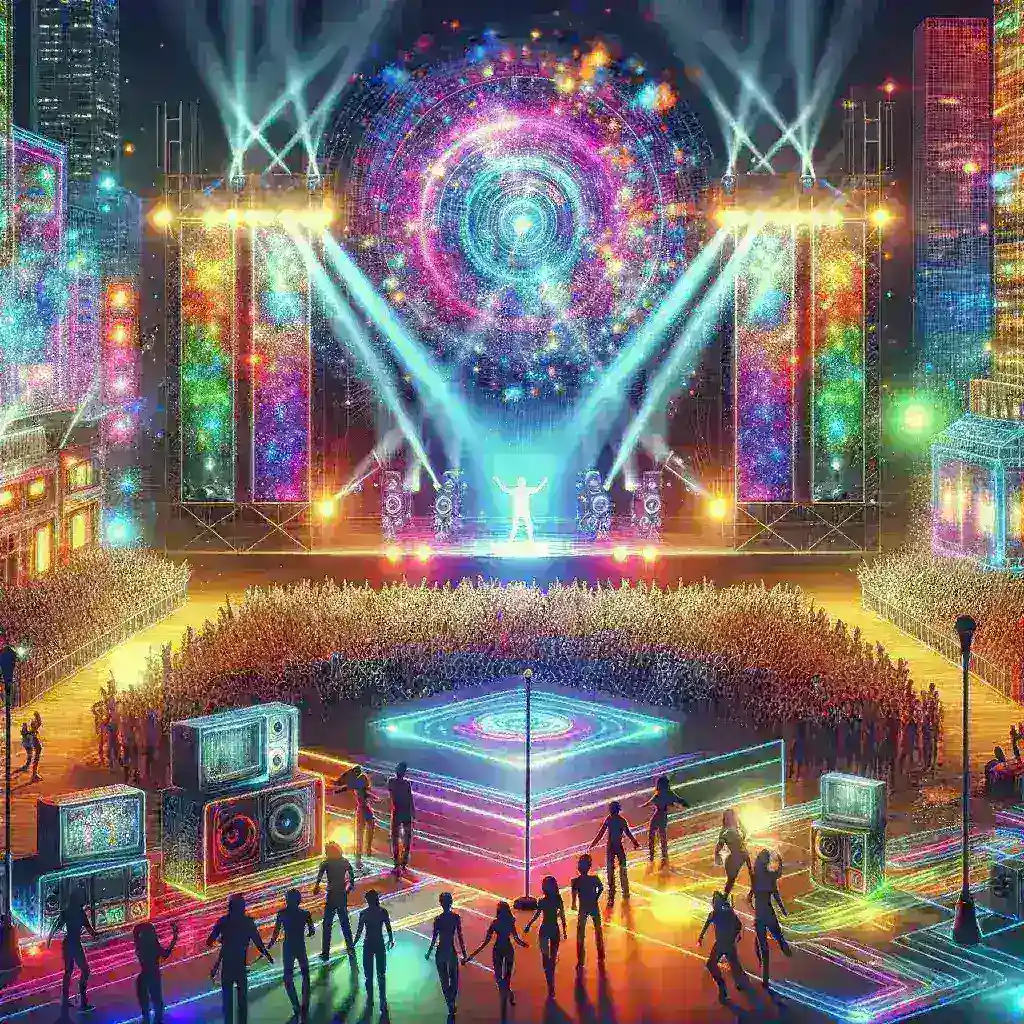
In a groundbreaking move that is set to redefine the live music landscape, Sony Music has announced the expansion of its holographic concert series to major cities across the United States. This innovative approach marries advanced technology with the captivating experience of live performances, offering fans an unprecedented way to engage with their favorite artists.
The Rise of Holographic Concerts
Holographic concerts are not merely a trend; they represent a significant evolution in how audiences experience music. This technology allows performers to project lifelike images of artists on stage, creating the illusion of a live performance without the physical presence of the musician. This format has already gained traction in various parts of the world, with artists like Tupac Shakur and Michael Jackson making memorable holographic appearances at festivals and events.
Historical Context
The use of holograms in entertainment is not new. The first major holographic performance occurred in 2012 at the Coachella Valley Music and Arts Festival when a hologram of the late rapper Tupac made a stunning return to the stage. This pioneering moment paved the way for further exploration into the potential of holographic technology within the music industry.
Sony Music’s Vision
Sony Music aims to take this concept to new heights, bringing its innovative holographic performances to various U.S. cities starting in 2024. The company believes that this expansion will not only attract dedicated fans but also a new generation of music lovers who seek unique experiences.
Key Features of Holographic Concerts
- Immersive Experience: Holographic concerts offer fans an immersive experience, combining visual effects with high-quality sound.
- Accessibility: These concerts can reach wider audiences, allowing fans in different regions to experience performances they might otherwise miss.
- Collaboration with Artists: Sony Music plans to collaborate closely with artists to ensure the holographic shows authentically represent their work.
Future Predictions
The future of holographic concerts looks promising. As technology continues to advance, the quality of holographic images and sound will improve, making performances even more lifelike. Experts predict that within the next decade, holographic concerts could become a staple in the entertainment industry, challenging traditional live performances.
Pros and Cons
While the benefits of holographic concerts are apparent, there are also drawbacks to consider:
Pros:
- Innovative experience for fans.
- Ability to host performances with deceased artists.
- Greater accessibility for audiences worldwide.
Cons:
- Possible emotional detachment from the live experience.
- Concerns over the authenticity of performances.
- High production costs associated with creating holograms.
Cultural Relevance
The integration of holographic technology into concerts is reflective of our digital age, where experiences are increasingly enhanced through technology. As audiences become more tech-savvy, the demand for innovative entertainment options rises, making holographic concerts not just relevant but necessary for the evolving music industry.
Expert Quotes
Industry experts believe that Sony Music’s expansion into holographic concerts could set a new standard for how live performances are delivered. According to Dr. Emily Johnson, a music technology researcher, “Holographic concerts could bridge gaps across generations, bringing music history to life in ways we’ve never seen before. It’s an exciting frontier for artists and fans alike.”
Real Examples
Several artists have already embraced holographic technology, with notable performances by Whitney Houston and Elvis Presley. These performances have drawn significant public attention and serve as a testament to the potential of holographic shows. Sony Music’s commitment to expanding this technology only reinforces its dedication to innovation within the industry.
Conclusion
Sony Music’s initiative to bring holographic concerts to U.S. cities marks a significant step forward in the integration of technology and live music. This expansion not only highlights the potential for new experiences in the entertainment industry but also positions Sony Music as a leader in shaping the future of music performance. As we look ahead to 2024 and beyond, fans can anticipate a revolution in how they connect with their favorite artists, making live music more accessible and exciting than ever before.