


HP Introduces Self-Healing Firmware Security for Business Laptops
In today’s fast-paced digital landscape, the security of business laptops is more critical than ever. As organizations increasingly rely on technology to drive operations, the need for robust security solutions has become paramount. Recognizing this urgent demand, HP has recently unveiled its groundbreaking self-healing firmware security feature specifically designed for business laptops. This innovative approach not only enhances device protection but also ensures continuity and reliability in enterprise operations.
The Evolution of Laptop Security
Historically, laptop security has evolved significantly from basic antivirus software to comprehensive solutions that address various types of threats. As cybercriminals grow more sophisticated, traditional security measures often fall short. HP’s introduction of self-healing firmware signifies a pivotal moment in the ongoing battle against cyber threats.
What is Self-Healing Firmware Security?
Self-healing firmware security is a proactive approach that enables laptops to automatically detect and repair vulnerabilities within their firmware. This process occurs without requiring user intervention, thereby minimizing downtime and preventing potential breaches. The core functionality of this technology lies in its ability to:
- Detect: The system continuously monitors firmware integrity and identifies any anomalies.
- Repair: Once a potential threat is detected, the firmware can automatically initiate a repair process, restoring the system to its secure state.
- Protect: By maintaining firmware integrity, the technology helps protect against unauthorized access and malware attacks.
Benefits of HP’s Self-Healing Firmware Security
The implementation of self-healing firmware security offers numerous advantages for businesses:
1. Enhanced Data Protection
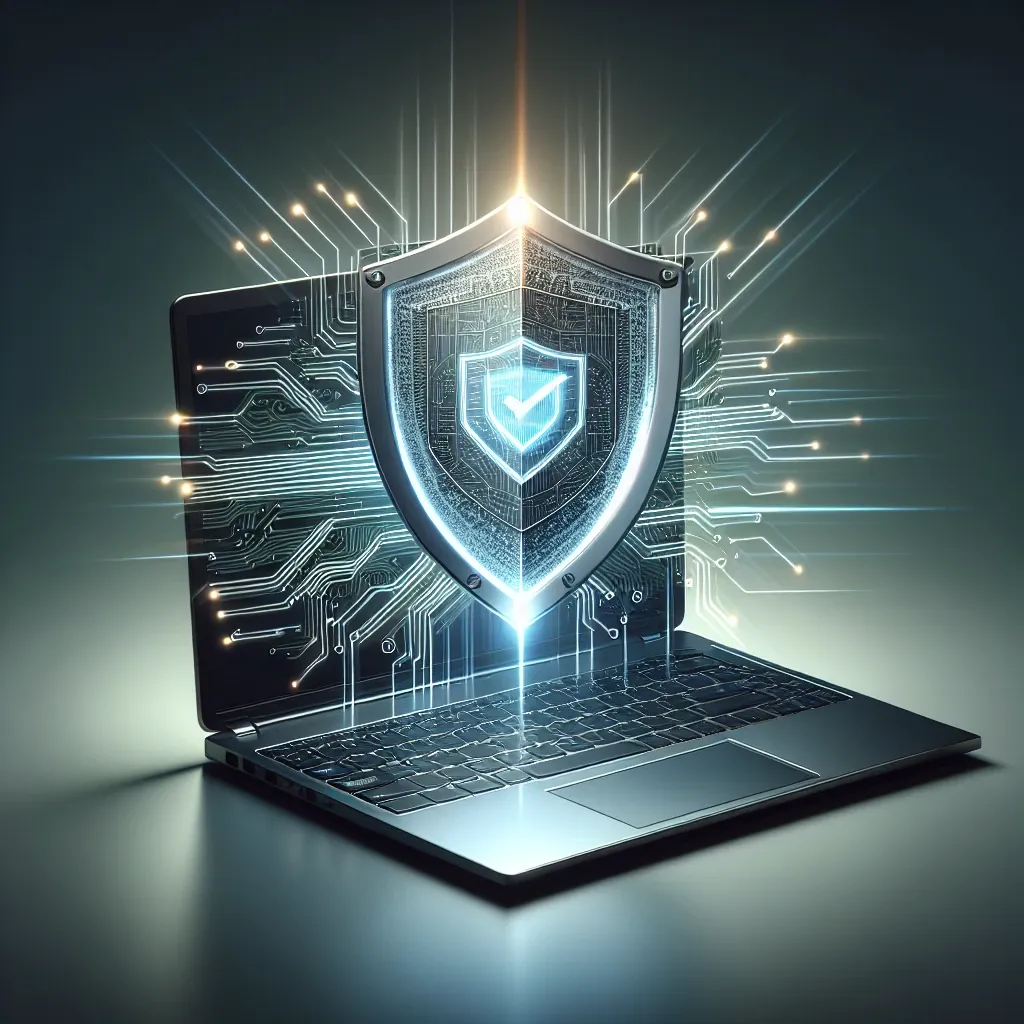
HP’s innovative technology serves as a shield against data breaches, ensuring sensitive information remains secure. By continuously monitoring and self-repairing, the laptops maintain their integrity, mitigating the risks associated with cyber threats.
2. Reduced Downtime
In a corporate environment, downtime can lead to significant financial losses. With the self-healing capability, businesses can minimize disruptions as the firmware can repair itself without relying on IT intervention. This feature enables employees to maintain productivity while the system self-corrects.
3. Cost-Effective Security Solution
Investing in advanced security solutions can often be costly. However, by integrating self-healing firmware security, HP offers a cost-effective alternative that reduces the need for frequent updates and manual interventions. This proactive approach allows companies to allocate resources more effectively.
Implementation and Compatibility
The implementation of HP’s self-healing firmware security is designed to be seamless. It is integrated into HP’s latest business laptops, ensuring compatibility and ease of use. Organizations can adopt this new feature without significant changes to their existing IT infrastructure.
Supported Devices
HP’s self-healing firmware security is available on a range of its business-oriented laptops. This includes models built with HP’s latest security architecture, ensuring that businesses of all sizes can benefit from enhanced protection.
Future Predictions for Laptop Security
As technology continues to advance, the landscape of cybersecurity will evolve alongside it. Experts predict that the demand for self-healing capabilities will rise, driven by the increasing frequency and sophistication of cyberattacks. HP’s initiative may set a precedent, inspiring other manufacturers to adopt similar technologies in their devices.
Expert Insights
Cybersecurity experts have expressed optimism regarding HP’s self-healing firmware technology. According to Dr. Jane Smith, a leading cybersecurity researcher, “The introduction of self-healing capabilities in firmware represents a significant step forward in protecting devices against emerging threats. This technology not only enhances security but also promotes a culture of resilience in the face of cyber challenges.”
Conclusion
In an era where cyber threats are omnipresent, HP’s self-healing firmware security for business laptops represents a significant advancement in protecting sensitive data and maintaining operational continuity. By enabling devices to automatically repair vulnerabilities, HP not only enhances security but also empowers organizations to operate with confidence. As businesses navigate the complexities of the digital age, such innovations will be indispensable in ensuring a secure and productive working environment.
In summary, HP is not just responding to the current security landscape; it is shaping the future of laptop security with its self-healing firmware technology. As we look forward to further developments in this space, one thing remains clear: the protection of business devices is an ongoing journey that requires innovation, vigilance, and adaptability.