



Introduction
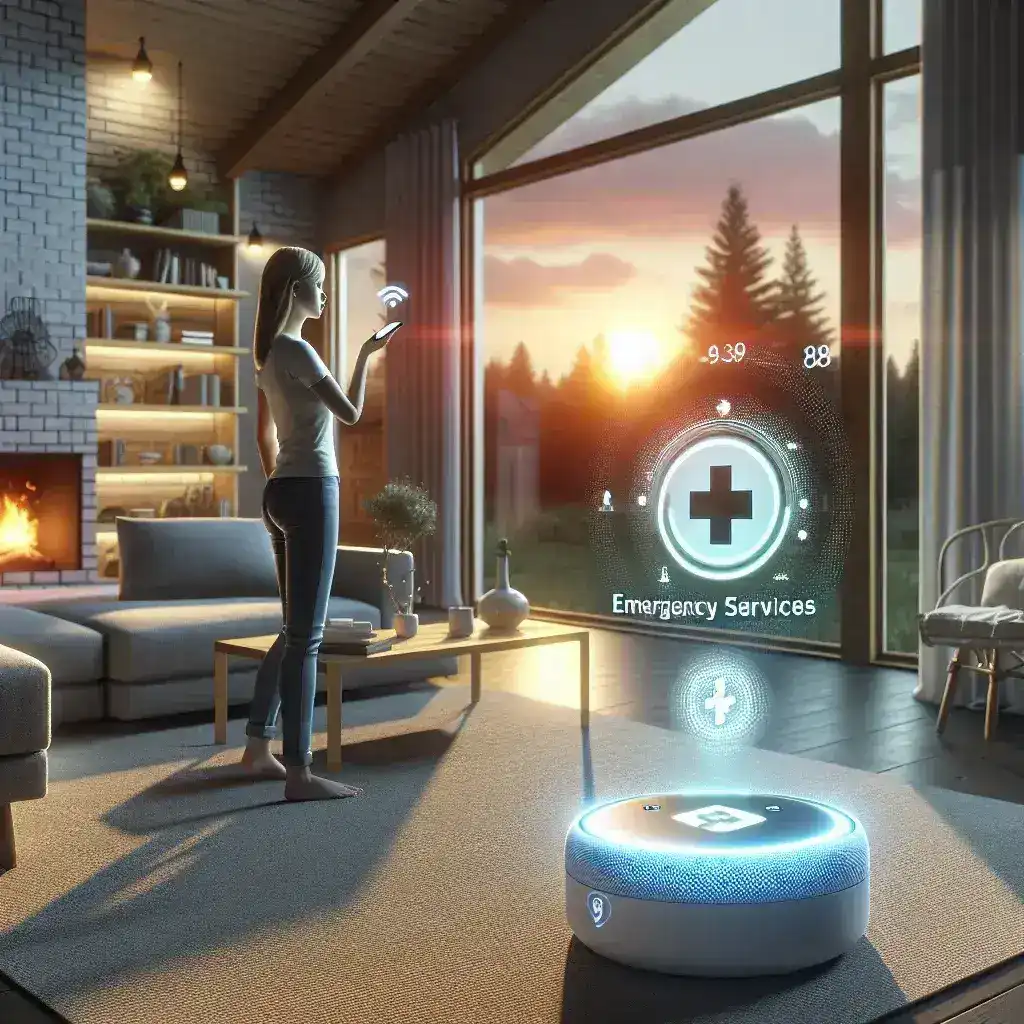
In a world where technology continues to evolve rapidly, the integration of artificial intelligence (AI) into everyday life is becoming increasingly significant. One of the most intriguing developments is Amazon Alexa’s initiative to pilot AI-powered emergency response training in U.S. homes. This program aims to equip families with the knowledge and skills they need to respond effectively during emergencies, transforming the way we think about safety and preparedness.
The Importance of Emergency Preparedness
Emergency preparedness is an essential aspect of modern living. According to the Federal Emergency Management Agency (FEMA), natural disasters, fires, and medical emergencies can strike at any moment, impacting families and communities profoundly. Statistics indicate that nearly 60% of Americans do not have a plan in place for emergencies, highlighting a crucial gap in safety awareness.
Why Training Matters
Effective training can dramatically improve outcomes during emergencies. Being prepared means knowing what to do, where to go, and how to stay safe. AI technology has the potential to enhance training by offering personalized guidance, real-time feedback, and interactive simulations. This is where Amazon Alexa steps in.
Amazon Alexa’s Initiative
Amazon has recognized the need for improved emergency response training and is leveraging its Alexa platform to address this issue. The pilot program involves integrating AI capabilities into Alexa devices that are already present in millions of homes across the United States.
How It Works
The AI-powered emergency response training provided by Alexa involves a series of interactive scenarios that guide users through various emergency situations.
- Simulation of Scenarios: Users can engage in realistic simulations, such as what to do during a fire or an earthquake.
- Real-Time Feedback: Alexa provides immediate feedback on the user’s actions, helping them improve their responses.
- Customizable Training: Families can customize their training based on their specific needs and potential risks in their area.
Historical Context
Amazon’s foray into emergency preparedness through Alexa is not just a novel concept; it builds on years of research and development in AI and smart home technology. Over the last decade, AI has revolutionized various industries, from healthcare to finance, and now it is making significant strides in home safety. This initiative is a natural progression in the evolution of smart home devices, moving beyond convenience to focus on safety and security.
Future Predictions
As the pilot program develops, the future of AI-driven emergency response training looks promising. Experts predict that this initiative could lead to:
- Wider Adoption: More households may adopt smart devices to enhance their safety protocols.
- Improved Community Resilience: Better-prepared individuals can contribute to community safety during disasters.
- Integration with Other Technologies: Future iterations may integrate with home security systems and other smart devices to create a comprehensive safety net.
Pros and Cons
Pros
- Accessibility: Training is available at home, making it accessible to all family members.
- Engagement: Interactive training can make learning about emergencies more engaging, especially for children.
- Confidence Building: Users may feel more confident in their ability to handle emergencies after completing the training.
Cons
- Technology Dependence: Relying solely on AI may lead to a lack of practical, hands-on experience.
- Potential Costs: Some families may find the investment in smart devices challenging.
- Privacy Concerns: As with any smart device, users may have concerns about data privacy and security.
Real Examples
Several families have participated in the pilot program and reported positive experiences. For instance, the Johnson family from Seattle shared that the training helped them feel more secure when navigating potential fire hazards in their home. They praised Alexa’s ability to simulate realistic scenarios, making the training feel more relevant to their everyday lives.
Cultural Relevance
In the U.S., the increased frequency of natural disasters, such as hurricanes, wildfires, and floods, has underscored the need for effective emergency preparedness. By incorporating AI into emergency training, Amazon is addressing a critical cultural and societal need, promoting a proactive approach to safety that resonates with many Americans.
Conclusion
The pilot program for AI-powered emergency response training by Amazon Alexa represents a significant step forward in enhancing home safety. As technology continues to integrate deeper into our lives, initiatives like this will play a crucial role in preparing families for emergencies. The potential benefits of such training extend beyond individual households, contributing to the overall resilience of communities in the face of disasters.