



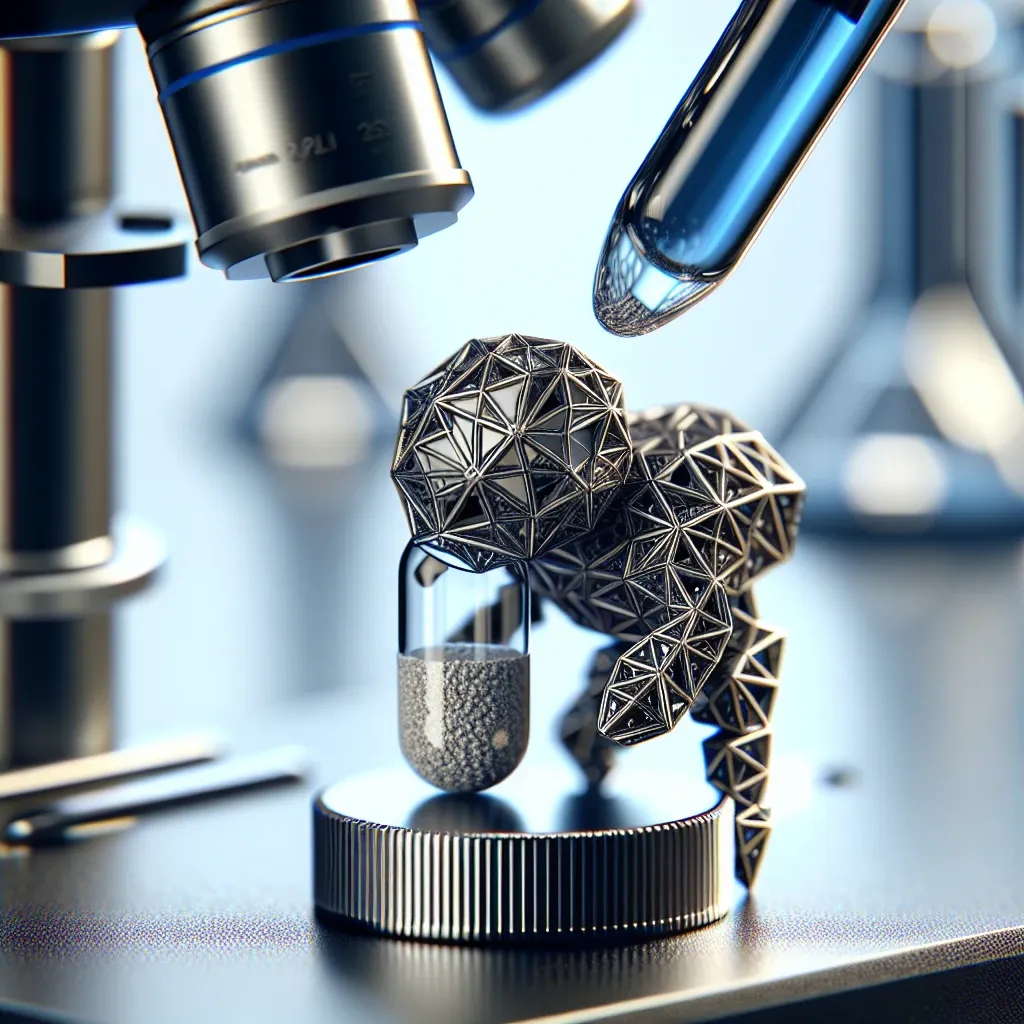
Introduction to Targeted Drug Delivery
In recent years, the field of medicine has increasingly moved towards personalized treatment regimens that cater to individual patient needs. Targeted drug delivery systems have emerged as a significant advancement in this realm, enabling specific and effective therapeutic interventions. This article delves into the fascinating synergy between origami-inspired robotics and targeted drug pumps, highlighting how these innovative structures are set to transform medical treatment methodologies.
The Evolution of Drug Delivery Systems
Historically, drug delivery methods have included oral pills, injections, and infusions, often leading to systemic side effects and suboptimal therapeutic outcomes. The need for precision in delivering medication has driven research into various technologies:
- Nano-carriers: Tiny vehicles that transport drugs directly to the site of action.
- Microneedles: Painless needles that deliver drugs through the skin.
- Smart polymers: Materials that respond to stimuli and release drugs when needed.
What Are Origami Robots?
Origami robots are an exciting area of research that combines traditional paper folding techniques with advanced engineering principles. These robots can fold and unfold into different shapes, effectively allowing them to navigate complex environments or deliver payloads. By incorporating drug pumps into these structures, researchers have begun to explore their potential in targeted therapies.
How Origami Robotics Work
Origami robots operate on principles of mechanical engineering and materials science. They are typically made from flexible materials that can be manipulated into various forms. When integrated with drug delivery systems, these robots can:
- Navigate to specific locations within the body.
- Release medication at precise times.
- Respond to environmental stimuli (e.g., pH, temperature).
Targeted Drug Pumps: A Game-Changer in Medicine
Targeted drug pumps are devices designed to deliver medication directly to the target area in a controlled manner. By miniaturizing these systems and embedding them within origami robots, we can enhance the precision of drug delivery while minimizing side effects.
Benefits of Targeted Drug Pumps in Origami Robots
The integration of drug pumps within origami robots offers several advantages:
- Precision: Targeted delivery minimizes systemic exposure and side effects.
- Controlled Release: Programmable pumps can release drugs at specific intervals.
- Adaptability: Origami structures can be designed for various medical applications.
Case Studies: Real-World Applications
Recent studies have demonstrated the efficacy of origami robots equipped with targeted drug pumps in various medical scenarios:
- Oncology: Origami robots have been engineered to navigate to tumor sites, delivering chemotherapy directly to cancer cells while sparing healthy tissue.
- Diabetes Management: A novel origami structure can release insulin in response to blood glucose levels, providing a smart solution for diabetes patients.
- Cardiovascular Treatments: These robots can also be used to deliver thrombolytics directly to blood clots, effectively dissolving them with minimal systemic impact.
The Future of Origami Robots in Medicine
The future holds immense potential for origami robots in medical applications. As technology evolves, we can anticipate:
- Miniaturization: Further reduction in size, enabling even more precise applications.
- Multi-Functionality: The ability to perform diagnostics and deliver treatment simultaneously.
- Integration with AI: Smart robots that can adapt their drug delivery based on real-time patient data.
Challenges and Considerations
Despite the promising future, several challenges remain:
- Regulatory Hurdles: New technologies often face stringent regulatory scrutiny.
- Material Limitations: Developing biocompatible materials that function effectively within the body.
- Cost-Effectiveness: Ensuring that these advanced technologies are affordable for widespread use.
Conclusion
The integration of targeted drug pumps within origami robot structures represents a revolutionary advancement in the field of medicine. By improving the precision, adaptability, and effectiveness of drug delivery systems, these innovative technologies promise to enhance patient outcomes significantly. As research progresses and challenges are addressed, the potential for origami robots in medicine is limited only by our imagination.
FAQs
1. What are origami robots?
Origami robots are robotic structures designed based on traditional origami techniques, allowing them to fold and unfold into various shapes for specific functions.
2. How do targeted drug pumps work?
Targeted drug pumps deliver medication directly to specific sites in the body, reducing side effects and improving therapeutic efficacy.
3. What are the applications of origami robots in medicine?
Origami robots can be used in oncology, diabetes management, and cardiovascular treatments, among others, to deliver drugs with precision.
4. What challenges do origami robots face in medical applications?
Challenges include regulatory hurdles, material limitations, and ensuring cost-effectiveness for widespread adoption.
5. What does the future hold for targeted drug delivery systems?
The future includes advancements in miniaturization, multi-functionality, and integration with artificial intelligence, enhancing the effectiveness of drug delivery.